
The Six Figure Restoration You Are Risking on an Open Trailer
That flawless lacquer, those hard to find badges, the original glass you hunted for months—none of it is replaceable at a parts counter. Yet every week, beautifully restored and meticulously preserved classics are shipped on open trailers, exposed to sun, grit, rain, and curious hands at fuel stops. If your car is a piece of history, not just a way to get around, open transport is a gamble. Closed car transport exists for one reason: to protect the value, authenticity, and condition you have invested in.
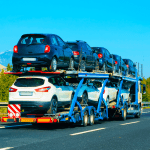
Why Open Air Shipping Threatens Classic Value
Open carriers are practical for everyday commuters, but classics are not everyday cars. Highway debris does not care that your paint is a delicate single stage finish or that your chrome trim is NOS. A pebble kicked up at 70 mph can chip an original fender. A sudden rainstorm can leave mineral spotting on fresh paint or seep water into decades old weatherstripping. Prolonged UV exposure during a cross country run accelerates fade on vintage pigments and dries out rubber components you painstakingly replaced.
Beyond the elements, visibility is risk. At fuel stops and overnight lots, open trailers turn your classic into a public display. Most people admire and move on, but not everyone. Fingerprints, door tugs, and ill intentioned attention are real world problems. With an open setup, your car is in sight and within reach every mile of the trip.
Closed Transport: What It Is and Why It Works for Classics
Closed car transport places your vehicle inside a fully enclosed trailer: four walls, a roof, a locking rear door, and a controlled loading environment. Think of it as a traveling garage. The difference shows up at every step. Low slung muscle cars and coachbuilt icons enter via hydraulic liftgates or long, low angle ramps to prevent contact with front lips and exhaust tips. Soft tie downs or wheel nets secure the car at the tires, so there is no stress on fragile suspension points or contact with paint. Fewer vehicles are carried per trip, giving the driver more time to perform detailed inspections and careful load checks.
Inside the trailer, your car is shielded from wind, rain, dust, and road spray. There is no UV beating down on a just polished hood. There is no salt mist if the route crosses winter states. There is no forced air blast pressing grit against paint for a thousand miles. Security is inherently higher: no one sees what is inside, and the cargo area is locked whenever the rig is unattended.
Originality and Provenance Preserved in Transit
A classic’s value lives in its details. Original spot welds, factory panel gaps, period correct fasteners, chalk marks on underbody components—these are the small things that separate a nice driver from a concours contender. Transportation should never risk them. A stray rock chip on original paint is not just cosmetic; it is a permanent deduction in authenticity. A scuffed chrome strip that took you a year to source is not just trim. It is a line item that can derail both budgets and judging sheets.
Closed transport acknowledges that value is not only measured in dollars. It protects the intangible: the documentation trail, the correct finishes, the preserved patina that buyers and judges reward. When the car rolls out of the trailer exactly as it rolled in, your provenance stays intact.
Real World Classic Car Risks You Can Avoid
Delicate finishes. Older single stage paints and fresh restorations are especially vulnerable to etching, staining, and marring. Open transport means hours of airborne grime and a risky first wash on delivery to clean it all off. Closed transport avoids the mess in the first place.
Weatherstripping and glass. Vintage rubber hardens and shrinks. A downpour at 70 mph can force water past seals and into door cards, carpets, and insulation. Enclosed shipping removes that exposure entirely.
Chrome and brightwork. Polished surfaces pick up micro pitting from sand and salt spray. Inside an enclosed trailer, there is nothing hitting the metal but filtered air.
Cabin materials. Classic leather, vinyl, and wood veneers hate sun and heat. The enclosure dramatically reduces radiant UV and hot wind across the cabin.
Mechanical quirks. Some classics have weak batteries, temperamental carburetors, or manual chokes. Enclosed carriers are equipped to winch non starting vehicles without drama and to load at gentle angles that respect vintage drivetrains.
When Closed Transport Is the Only Smart Choice
There are scenarios where shipping open simply does not make sense for any classic:
Fresh paint, polishing, or ceramic coating: Newly finished surfaces need time to cure and should not sit under road spray or be force washed immediately upon arrival.
Concours or auction bound vehicles: You have spent months preparing details. Introducing preventable defects on the way to judging or sale is avoidable with an enclosed trailer.
Rare trim and glass: If a single ding or crack means months of hunting for replacements, closed is the safe choice.
Long distance, multi climate trips: Crossing regions with snow, salt, desert dust, or tropical rain compounds exposure risks the whole way.
High profile or high value cars: Privacy matters. Hidden cargo lowers unwanted attention at stops and pallet yards.
Cost Versus Value: The Premium That Pays for Itself
Closed transport typically costs more than open, often 30 to 60 percent more depending on the route, the schedule, and equipment requirements. For a classic with a six figure restoration, that premium is minor compared to a single repaint or a damaged trim piece. Money aside, there is the time and stress: sourcing parts, scheduling a trusted shop, and missing an event deadline. Enclosed shipping is a small premium to keep everything on track.
Price is driven by distance, carrier availability, vehicle size, ground clearance, running condition, and pickup or delivery logistics. Liftgate only loading, longer winch times, and tight streets can add complexity. Booking early and providing a realistic pickup window helps secure the right equipment at a fair rate.
Classic Car Prep: A Quick Safe Checklist
- Photograph the car. Take clear photos of all sides, wheels, glass, interior, and under hood. Time stamp them and keep them with your paperwork.
- Lighten the tank. One quarter tank is ideal—plenty for loading or unloading without adding unnecessary weight.
- Secure or remove loose items. Floor mats, show boards, boxes, tools, and removable spares should be stowed or shipped separately. Remove toll tags to avoid accidental charges.
- Mind the battery. Charge it fully, bring the cutoff key, and include any special start procedure. If the car sometimes refuses to start hot, tell the dispatcher so a winch is ready.
- Check for drips. Classics seep. Let the carrier know about any leaks so they can pad, contain, and position the car appropriately.
- Avoid tight covers. A soft, breathable cover is fine if it is secured and will not abrade the finish. Never use a loose cover that can flap, it will mar fresh paint.
- Access for big rigs. If your street is narrow or has low branches, arrange a wide nearby lot for safe loading and unloading. The carrier will help plan a workable meet point.
Choosing an Enclosed Carrier for Classics: What to Ask
- Equipment: Do they use hydraulic liftgates or extended ramps? Do they secure via wheel nets or soft straps instead of hard points? Is there adequate interior height for your car?
- Process: How do they inspect, document, and communicate? Will you receive condition photos, updates, and ETA windows?
- Experience: How often do they move non running cars, low ground clearance builds, or high value restorations? Ask for references from classic owners.
- Insurance: Confirm active cargo coverage amounts and claims procedure. A professional carrier will explain coverage clearly and provide certificates.
- Routing: Can they plan around known weather issues or high salt regions in winter? Do they avoid unnecessary storage yards or transfers between trucks?
How the Enclosed Transport Day Actually Unfolds
- Arrival and condition report: The driver walks the car with you, notes condition, photographs key panels, and discusses any quirks such as choke, manual fuel pump prime, or tricky ignition.
- Loading: A liftgate or long ramps protect low lips and exhausts. Spotters watch clearances at the doors, rocker panels, and diffusers. The car is secured at the tires with soft gear; suspension and painted surfaces stay untouched.
- Transit: Fewer cars ride inside, so the driver can re check straps and spacing at stops. The locked cargo area protects privacy and prevents interference.
- Delivery: The driver repeats the condition check, unloads with the same gentle angles, and positions the car for easy drive off or winch out. If the final turn in is tight, a wide lot nearby makes it simple and safe.
Myths About Enclosed Shipping Cleared Up
“It is only for show cars.” Many owners choose enclosed for drivers because cleaning and risk avoidance are worth it. Protection is not just for trophies.
“It takes too long.” Enclosed capacity is limited, but with proper lead time most routes are efficient. Flexible pickup windows speed things up.
“It is always dramatically more expensive.” Sometimes the premium is modest, especially compared with even minor paint correction on classic finishes.
“Any carrier can do it.” Experience, equipment, and process matter. Ask for specifics. If the answers are vague, keep looking.
Your Two Choices
Option One: Roll the dice on an open trailer. Hope the forecast holds, the highway stays clean, and that nobody lays a hand on your car at a fuel stop. Save a little today and risk the very details that make your classic valuable.
Option Two: Ship enclosed. Keep weather, debris, UV, and curiosity out of the equation. Pay a sensible premium to ensure your car arrives exactly as it left, ready for the show field, your garage, or the next Sunday drive.
The Bottom Line
A classic car is not just a vehicle, it is a story on wheels. Closed transport protects the chapters you have preserved such as paint, trim, glass, interior, paperwork, and provenance. It replaces hope with process and guesswork with professionalism. For concours builds, heirlooms, and painstaking restorations, enclosed shipping is not an indulgence. It is the practical choice that keeps history intact.
Ready to Protect Your Classic the Right Way?
At American Car Transporters, we treat classics with the respect they have earned. We match the right enclosed equipment to your car, use liftgates and soft tie downs, communicate from pickup to delivery, and document condition every step of the way. Whether your pride and joy is a concours winner or a cherished family heirloom, we make sure it travels like it lives—protected, private, and pristine.
Do not leave your restoration to chance. Book enclosed transport that safeguards value and preserves originality. Contact American Car Transporters for a tailored enclosed shipping quote and move your classic with confidence.