
Understanding the Challenges of Shipping Non-Running Vehicles
Our company has shipped thousands of non-running cars nationwide. From classics without engines to daily drivers with transmission problems, we have the experience and equipment needed to make the process straightforward. Licensed, insured, and trusted by dealerships, collectors, and everyday drivers, we ensure that even non-operational vehicles arrive safely at their destination.
What Is Open Transport for Non-Running Cars
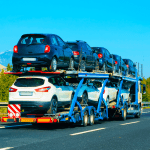
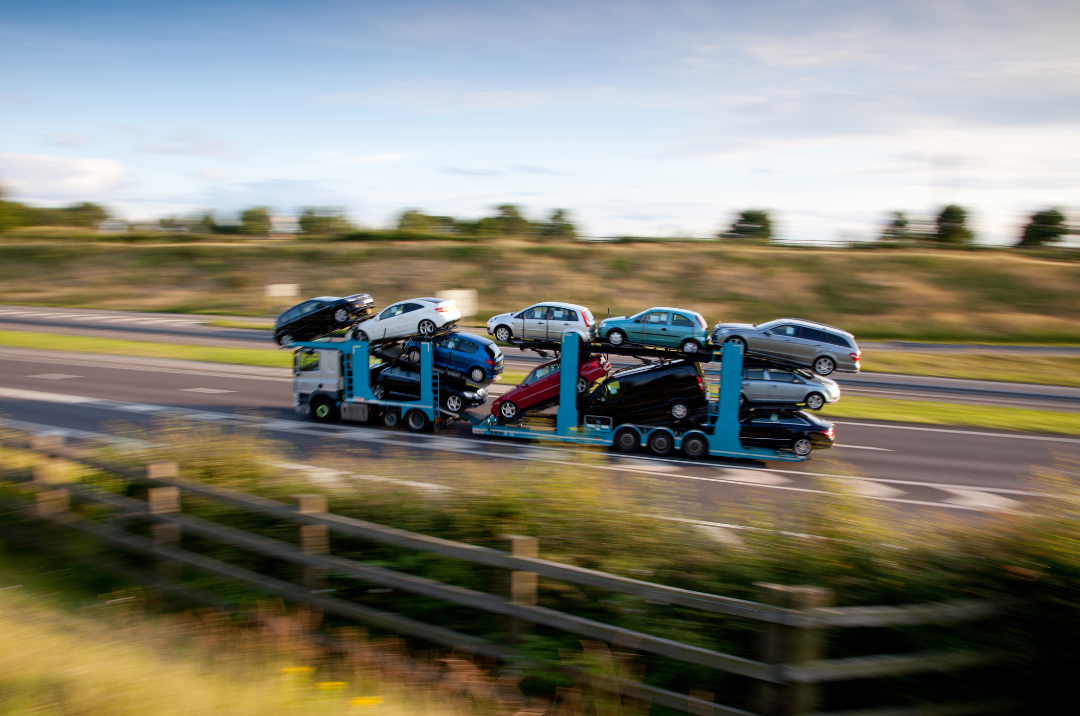
Open car transport involves loading vehicles onto an open-air trailer that typically carries between eight and ten cars at a time. It is widely used for shipping vehicles across long distances because of its affordability and accessibility. For non-running cars, the process includes additional steps that make it different from transporting vehicles that are drivable.
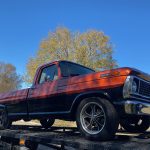
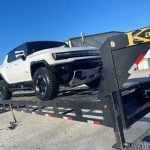
When a car does not start or cannot be put into gear, a winch is used to carefully pull it onto the trailer. Depending on the condition of the vehicle, special equipment such as dollies or skates may be used to move it safely. Drivers with experience in handling non-operational vehicles take extra precautions during loading and unloading to avoid damage to the car or the carrier.
Although open carriers expose vehicles to weather and road conditions, this option remains popular for non-running cars because it balances cost and availability. Enclosed carriers may offer additional protection, but open transport has the advantage of being more widely available and easier to schedule, especially when time is a factor.
Why Choose Open Transport for a Non-Running Vehicle
Owners may hesitate when considering how to move a car that does not run, but open transport offers several benefits. One of the most important advantages is cost. Open carriers are more economical compared to enclosed transport, and since many vehicles that do not run are already awaiting repairs, keeping expenses manageable is often a priority.
Another benefit is availability. Open carriers operate more frequently than enclosed trailers, which means shorter wait times for pickup and faster scheduling. This is especially important when a car needs to be moved quickly, such as after a breakdown, during a relocation, or when coordinating with a repair shop.
Open transport is also practical for families or businesses moving multiple cars. A non-running vehicle can be loaded onto the same carrier as fully operational cars, reducing logistical challenges. For project cars, inherited vehicles, or cars purchased at auction that do not yet run, open transport provides a balance of affordability, speed, and reliability.
How the Process Works for Non-Running Vehicles
The process of shipping a non-running car begins with clear communication. Owners must inform the transport coordinator that the vehicle does not operate. Providing accurate details about the condition of the car helps the company prepare the right equipment and match the vehicle with a carrier capable of handling the situation.
On pickup day, the driver inspects the vehicle and documents its condition with photographs. Since non-running cars cannot be driven onto the carrier, the driver uses a winch system to pull the car onto the trailer. In some cases, additional equipment like wheel skates is used if the vehicle cannot roll on its own.
During transit, the car is secured in place using industry-standard methods to prevent shifting or damage. The driver takes extra care to ensure that the vehicle remains stable throughout the journey. Upon arrival, the unloading process is carefully managed, again using a winch or other equipment to remove the vehicle from the trailer without causing harm.
From start to finish, the process is designed to ensure that non-operational vehicles are handled with the same level of care as those that run. The difference lies in the specialized equipment and additional time needed to load and unload the car safely.
Common Questions About Non-Running Car Shipping
Is it more expensive to ship a non-running car?
While open transport remains affordable, there may be a modest additional fee for the extra equipment and effort required during loading and unloading.
Can any non-running vehicle be shipped?
Yes, as long as the car can be safely winched or rolled onto the trailer. Even cars with severe mechanical issues can usually be transported, though providing accurate details about their condition is essential.
Do I need to prepare a non-running car differently?
The main requirement is to ensure the vehicle is accessible, that the parking brake is off, and that it can be placed in neutral if possible. Keys should always be provided, even if the car does not start.
Is insurance coverage included for non-running vehicles?
Just like operational vehicles, non-running cars are covered during transport as long as their condition is documented during pickup. Photographs and inspection reports provide the necessary protection in case of a claim.
Should non-running cars be shipped enclosed instead of open?
While enclosed shipping provides more protection from the elements, open transport is usually the better balance of cost and convenience. Unless the car is highly valuable or has delicate features, open transport is sufficient.
Who Should Consider This Service
Open transport for non-running cars is a solution for a wide variety of situations. Project car enthusiasts often need to move vehicles that are incomplete or awaiting major repairs. Families relocating across the country may want to bring a car that is not currently running but still has long-term value. Dealers and collectors frequently purchase cars at auction that cannot be driven, making transport essential.
This service is also ideal for people who inherit cars that have been sitting unused for years. These vehicles may not start, but they hold sentimental or financial value. Open transport provides an efficient way to bring them to a new home or to a restoration shop.
Even businesses use this service when managing fleets or relocating vehicles between locations. Non-running cars can be shipped alongside fully operational ones, making the process straightforward and cost-effective.
Preparing a Non-Running Car for Open Transport
Preparation is key to ensuring a smooth transport experience. The most important step is to clearly inform the transport company of the vehicle’s condition. Surprises on pickup day can cause delays, so accurate details about whether the car rolls, steers, or has locked brakes are critical.
Owners should make sure the car is accessible to the carrier. This means removing obstacles around the vehicle so the driver can easily position the trailer and equipment. Even if the car does not start, providing a charged battery or ensuring the steering is functional can make loading smoother.
It is also important to disable alarms, remove personal belongings, and provide a complete set of keys. Documentation of the vehicle’s condition through photographs is strongly recommended. These preparations protect both the owner and the carrier while ensuring a smoother loading process.
Trust and Credibility in Non-Running Vehicle Transport
Shipping a non-running car requires a higher level of trust than shipping one that drives onto the trailer. That trust comes from experience, professionalism, and a commitment to safety. Our company is fully licensed and insured under MC 718856 and DOT 2247104, giving every customer confidence that their vehicle is in qualified hands.
We have transported thousands of non-running vehicles for individuals, families, and businesses. Each client is assigned a dedicated coordinator who manages communication throughout the process. Real-time updates and inspection reports keep owners informed, while insurance protection covers the vehicle during every stage of transport.
No upfront payment is required until a carrier is confirmed, which provides peace of mind. By working with specialists who understand the challenges of moving non-operational cars, owners can rest assured that their vehicles will arrive safely and without unnecessary complications.
The best way to begin is to request a free quote from a transport specialist who understands the unique requirements of shipping a non-running vehicle. With the right preparation and the right partner, open car transport offers a safe, reliable, and affordable solution for cars that cannot run on their own.