
The $150,000 Vehicle You Might Be Risking On An Open Trailer
When a vehicle is more than a way to get from point A to point B, the way you ship it matters. Owners of exotics, classics, luxury sedans, performance SUVs, and even pristine daily drivers often assume that car shipping is all the same. It is not. Open trailers expose your vehicle to weather, road debris, and public attention. Closed car transport places your vehicle inside an enclosed trailer that shields it during loading, transit, and delivery. If you would never leave your car outside during a storm or a dusty construction project, you should not ship it in the open either.
Open Trailers Leave Too Much To Chance
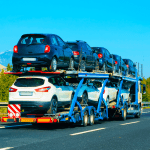
Open carriers do a good job for millions of everyday cars. They are common, they are usually cheaper, and they are easy to book on busy routes. For a high value vehicle, the risk profile is different. Rain, hail, sand, gravel, bird droppings, tree sap, and summer sun all travel with you on the highway. A single pebble thrown by a truck can mark paint or a windshield. Long runs across several states can add a film of grime that is harmless to a commuter but stressful on a ceramic coated finish or a freshly corrected classic.
There is also the human factor. On an open trailer your vehicle is visible at every fuel stop and every hotel. Most people will admire it and move on. A few people will not. Visibility increases curiosity. Curiosity increases risk. Enclosed shipping lowers that risk by keeping your car out of sight and out of reach.
Closed Car Transport Explained
Closed car transport places your vehicle inside a fully enclosed trailer that protects it on all sides. The interior is designed for high value cars that require careful handling. Many enclosed trailers use lift gates or long low angle ramps so that low ground clearance vehicles can be loaded without scraping. Soft straps or wheel nets secure the vehicle by the tires, while contact with paint and body panels is avoided. The driver is usually a specialist who handles fewer vehicles on each run and can spend more time on loading and inspection.
Think of enclosed transport as a traveling garage. It is private, it is protected, and it is purpose built for vehicles that deserve special care. If you have invested in a flawless paint finish, custom carbon fiber, rare trim, or a delicate interior, this approach matches the way you already care for the car at home.
Who Benefits Most From Enclosed Shipping
Any vehicle can ride inside a closed trailer. A few types of owners see the biggest gains:
- Exotic and supercar owners. Low splitters, complex aero, and sensitive finishes demand careful angles and clean environments. Ferraris, Lamborghinis, McLarens, and similar cars are strong candidates for enclosed service.
- Classics and vintage vehicles. Many classics have fresh paint, rare trim, or original parts that are difficult to replace. Enclosed shipping reduces the chance that you will chase a rare part after a long trip.
- Luxury sedans and SUVs. Rolls Royce, Bentley, Mercedes AMG, BMW M models, and top tier full size SUVs carry a higher cost to repair. Keeping them covered helps preserve value.
- High value daily drivers. A flawless Tesla Model S, a Porsche Cayman, a restored Jeep CJ, or a show quality pickup may not be exotic, yet they deserve the same level of respect in transit.
Protection That Goes Beyond Weather
Most people choose closed transport to avoid weather and road debris. The benefits go further:
- Security. An enclosed trailer hides your vehicle from view. There are fewer curious glances and fewer temptations at stops. Doors are locked. Cargo is private. Your vehicle is not a rolling display case.
- Cleanliness. A covered ride reduces road film, dust, and contaminants. You avoid the intense wash process that can mark a delicate finish if the wrong towel or technique is used right after delivery.
- Handling care. Lift gates and soft straps reduce stress on underbody and suspension points. The extra time spent on loading and inspection is part of the service, not a rush job.
- Consistency. A closed environment helps control temperature swings and the blast of wind that can flex trim or press grit against paint on long runs.
How A Typical Enclosed Shipment Works
- Request and quote. You provide year, make, model, ride height, modifications, running condition, pickup, and destination. You schedule a window that fits your timeline.
- Pickup day. The carrier arrives with an enclosed trailer that fits your vehicle profile. A quick inspection with photos documents current condition. The driver prepares ramps or a lift gate and sets the straps or wheel nets before loading.
- Loading. The vehicle is guided into the trailer at a safe angle. Low cars are loaded with extra protection at entry and exit points. The driver secures the vehicle by the wheels and checks clearance on all sides.
- Transit. Fewer vehicles ride in the trailer than on a standard open carrier, so the driver can monitor load security and balance. Communication and tracking help you follow progress.
- Delivery. The driver repeats the inspection, unloads with the same care, and confirms that the vehicle arrives as expected. If your location is tight, a nearby wide street or lot can be used for a safe unload.
Cost And Value
Closed transport usually costs more than open shipping. Depending on route and timing, it can be thirty percent to sixty percent higher. At first glance that looks like a premium. If you compare that premium with the value of your vehicle and the possible cost of paint repair or trim replacement, the math shifts. A small difference in shipping cost can be less than a single paint correction, less than one carbon fiber piece, or less than a rare chrome part on a classic muscle car. Many owners view enclosed shipping as a low cost insurance policy for the road.
Price depends on distance, route demand, season, vehicle size, ground clearance, and special handling. A lower car that needs a lift gate can take more time and equipment. A remote pickup or delivery location can add miles. A very busy season can reduce availability. When the schedule matters, booking early and allowing a reasonable pickup window helps you secure the best option.
When Enclosed Is The Only Smart Choice
There are moments when it is better to use enclosed shipping without debate:
- Fresh paint or correction. If a car just returned from a refinish or full correction, it should not sit in hours of spray and dust on an open trailer.
- Low ground clearance. Many exotics and track vehicles need a lift gate and a gentle angle for loading. Enclosed carriers are built with that in mind.
- Rare or irreplaceable parts. If trim or glass is difficult to source, you want to reduce the chance that anything hits it during a long run.
- High profile vehicles. Security and privacy matter for special cars and high value builds. An enclosed trailer keeps your vehicle out of view.
- Long distance relocations. The longer the road, the more conditions you will face. A covered ride makes a cross country move much simpler.
How To Prepare Your Vehicle For Enclosed Shipping
- Document the current condition. Take photos of all sides, wheels, and the interior. Keep them with your order details. This is a best practice for any shipment.
- Reduce fuel to a quarter tank. Enough to load, unload, and move as needed. Lower weight is safer and often required.
- Remove loose items. Clear personal belongings and accessories that can move during transit. Remove toll tags so you do not get charged on the road.
- Secure aftermarket parts. Lip spoilers, diffusers, roof racks, and detachable accessories should be installed tightly or removed if they pose a risk.
- Verify running condition details. If the vehicle has a dead battery, a dash procedure, or a special start sequence, share that with the dispatcher so the right equipment is on the truck.
- Confirm pickup logistics. Large trailers need room to maneuver. If your street is tight, a nearby wide area can be used. The driver will help plan a safe location.
Common Myths About Enclosed Transport
Myth 1: Enclosed is only for show cars. Reality: Many owners ship an everyday car inside a closed trailer during a move because they want to avoid the extra cleaning and risk. If you value the car, the decision is easy.
Myth 2: It takes too long. Reality: Enclosed capacity is limited, yet schedules are efficient on many routes. Booking early and providing a flexible pickup window usually keeps timelines on track.
Myth 3: It is always far more expensive. Reality: The premium exists, but it is not extreme on many lanes. When you compare the premium to the value of your paint and parts, the decision is often straightforward.
Myth 4: Any carrier can do the same job. Reality: Equipment and experience matter. Lift gates, soft straps, and careful loading are not optional for certain vehicles.
How To Evaluate An Enclosed Carrier
- Ask about equipment. Look for lift gates or low angle ramps, soft straps or wheel nets, and interior clearance. Low cars need the right gear.
- Ask about handling process. Confirm inspection steps, photo documentation, and the approach to loading and checking the vehicle during stops.
- Ask about communication. You should know how to reach the driver or the dispatcher and how tracking works on the route.
- Ask about insurance and coverage. Verify active cargo coverage and how claims are handled. A professional team will explain this clearly.
- Ask about experience with your vehicle type. A shop that moves exotics and classics every week will understand how to handle splitters, wide tires, and delicate trim.
Your Two Choices
Option One: Ship in the open and hope the weather is kind, the roads are clean, and every stop is uneventful. Save a little today and accept more risk. Plan to detail the car after delivery and cross your fingers about paint and glass.
Option Two: Ship in a closed trailer and treat the vehicle the way you already treat it at home. Pay a fair premium to avoid the most common shipping headaches. Arrive with a car that looks exactly as it did at pickup.
The Bottom Line
Closed car transport is not a luxury for the sake of luxury. It is a practical decision that aligns with the way careful owners already handle valuable vehicles. Enclosed trailers reduce exposure to weather and debris, lower security risk, and support careful loading for low or delicate cars. The price difference is real, and so is the value. When the car matters, the smart move is simple. Keep it covered and keep it protected from door to door.
Ready To Protect Your Vehicle The Right Way
At American Car Transporters, enclosed auto transport is built around the details that matter. We match the right trailer and equipment to your vehicle, communicate clearly from pickup to delivery, and treat every car with the same care we would expect for our own. Whether you are moving a rare classic, an exotic, or a well loved daily driver, we make the process simple and secure.
Do not gamble with your investment. Book enclosed shipping that respects your time and your car. Contact American Car Transporters to get a tailored enclosed transport quote and move with confidence.